Over 50 million surgeries are performed annually in the U.S., and while surgery saves lives and repairs injuries, post-operative pain affects nearly every patient. If you're in that recovery period right now, struggling to move comfortably, questioning when the pain will finally ease, wondering if what you're feeling is normal, you're not alone in this journey. The truth? Your body has remarkable healing abilities, but it needs the right support. In this guide, you'll discover natural pain relief approaches that actually work, including targeted topical solutions, plus the specific nutrients your body needs to heal faster. Including targeted topical solutions, plus the specific nutrients your body needs to heal faster.
Post-Surgery Pain: What to Expect During Recovery
Pain following surgery signals that healing is actively underway. Surgical incisions create tissue damage requiring repair, and inflammation occurs as part of your natural healing response. Poorly managed pain can slow recovery and increase complications like muscle weakness and reduced mobility. Pain typically peaks during the first week after surgery, then gradually improves. Effective post-operative pain management from the start makes a significant difference in your overall recovery experience. Importantly, natural pain relief after surgery helps you avoid overreliance on prescription pain medications while supporting your body's healing process.
Natural Approaches to Post-Surgery Pain Relief
Moving beyond medication alone, several natural methods can complement your pain management plan:
Best Topical Pain Relief for Post-Surgery Recovery
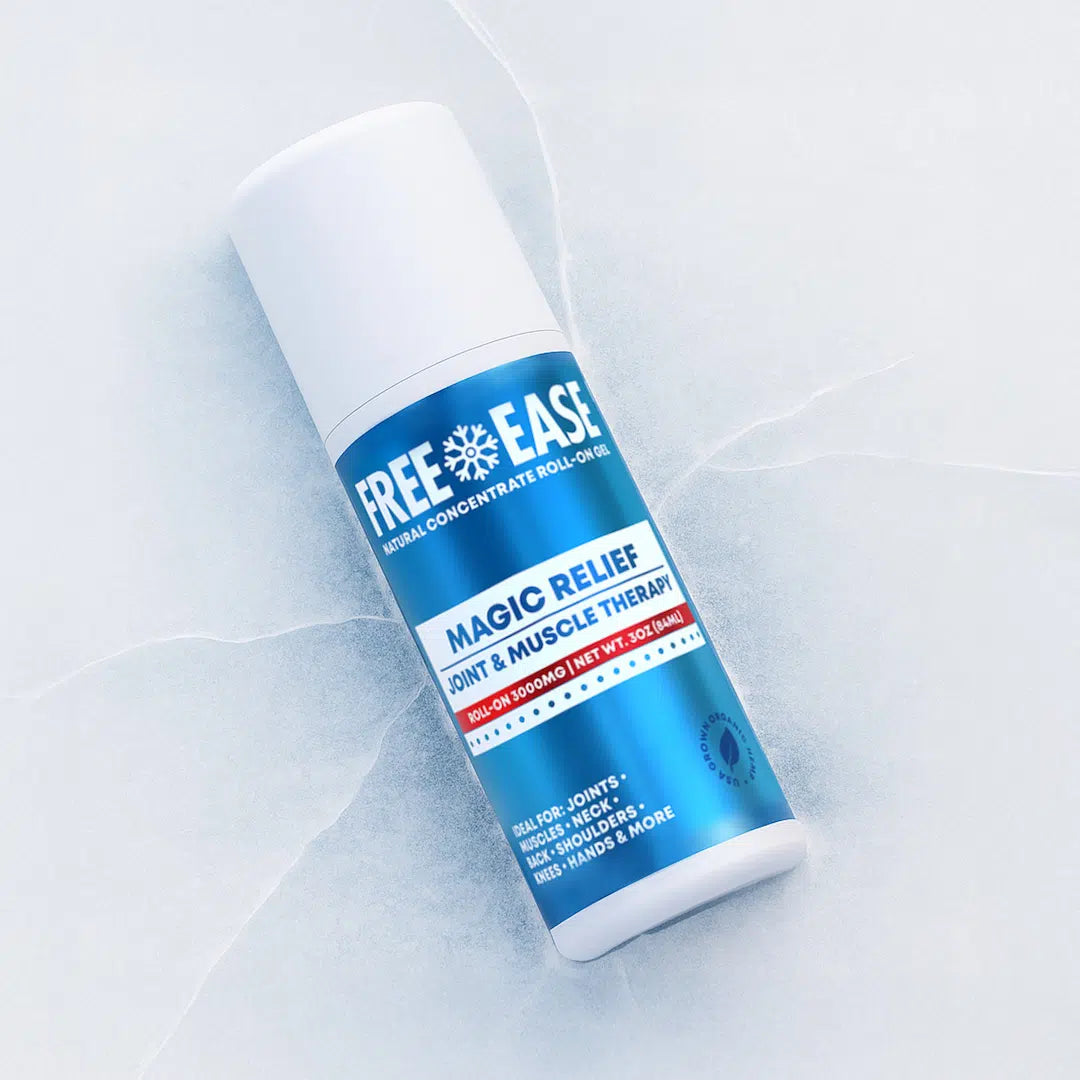
When pain concentrates around surgical sites, topical solutions offer targeted support without the systemic effects of oral medications. Free-Ease Plant-Based Roll-On Gel addresses muscle soreness, tissue discomfort, and inflammation that often occur during post-surgery recovery. The doctor-approved formula contains six plant-based active ingredients, including Organic Hemp Extract and Boswellia Serrata, that absorb directly through skin to reach affected tissues within minutes. Unlike pills that travel through your digestive system, you control where and when to apply Free-Ease, targeting pain points as they arise throughout recovery.

Additional Natural Strategies
Gentle Movement and Physical Therapy - While rest is important, prolonged inactivity causes stiffness, blood clots, and muscle weakness. Early mobilization with gentle movements improves circulation and prevents muscles from locking up.
Heat and Cold Therapy - Cold packs reduce swelling and numb acute pain in the first few days post-surgery. Heat therapy later relaxes stiff muscles and improves blood flow.
Relaxation and Stress Management - Techniques like deep breathing, guided imagery, and meditation calm your nervous system, reducing how intensely you experience pain.
Nutrition: Foods That Speed Healing
What you eat directly impacts how quickly and effectively your body heals. Surgery increases your nutritional needs because tissue repair requires extra energy and specific building blocks.
Protein and Energy-Dense Foods
Protein is essential for rebuilding damaged tissues and maintaining immune function. Your body breaks down protein into amino acids that create new collagen, the structural protein that forms the foundation of healing wounds and surgical incisions. Include lean meats, fish, eggs, dairy products, beans, and nuts at every meal.
Healing also requires extra calories. Focus on nutrient-dense options like whole grains (brown rice, oatmeal, quinoa), avocados, nuts, nut butters, and olive oil for concentrated energy. If eating large portions feels difficult, try smaller, more frequent protein-rich snacks throughout the day.
Key Vitamins and Minerals for Healing
Vitamin C - Supports collagen production and immune function. Find it in citrus fruits, bell peppers, strawberries, and broccoli.
Vitamin A - Stimulates collagen and tissue growth. Good sources include carrots, sweet potatoes, spinach, eggs, and dairy.
Zinc - Critical for immune function and wound healing. Get it from red meat, seafood, poultry, and dairy.
Iron - Delivers oxygen to healing tissues. Include red meat, fish, eggs, leafy greens, and whole grains.
Stay Hydrated
Adequate fluid intake maintains skin elasticity and supports cellular healing functions. Keep water nearby and sip frequently, dehydration can slow recovery and increase complications.
Complete Post-Surgery Recovery Plan
Effective post-surgery pain management combines multiple approaches tailored to your needs. Topical relief like Free-Ease targets localized pain, while gentle movement, heat/cold therapy, relaxation techniques, and protein-rich nutrition support overall healing.
It is crucial to discuss these natural pain relief methods with your healthcare provider to ensure they fit within your recovery strategy. Your surgical team can guide you on timing, intensity, and which approaches are safest for your situation.
Ready to experience targeted, natural relief during your recovery? Try Free-Ease risk-free with our 90-Day "Feeling is Believing" Triple Promise.
Disclaimer: This content is for educational purposes only and should not replace professional medical advice. Always consult with your healthcare provider and surgical team for proper guidance on post-surgery pain management and recovery protocols specific to your procedure.